Pick what you take
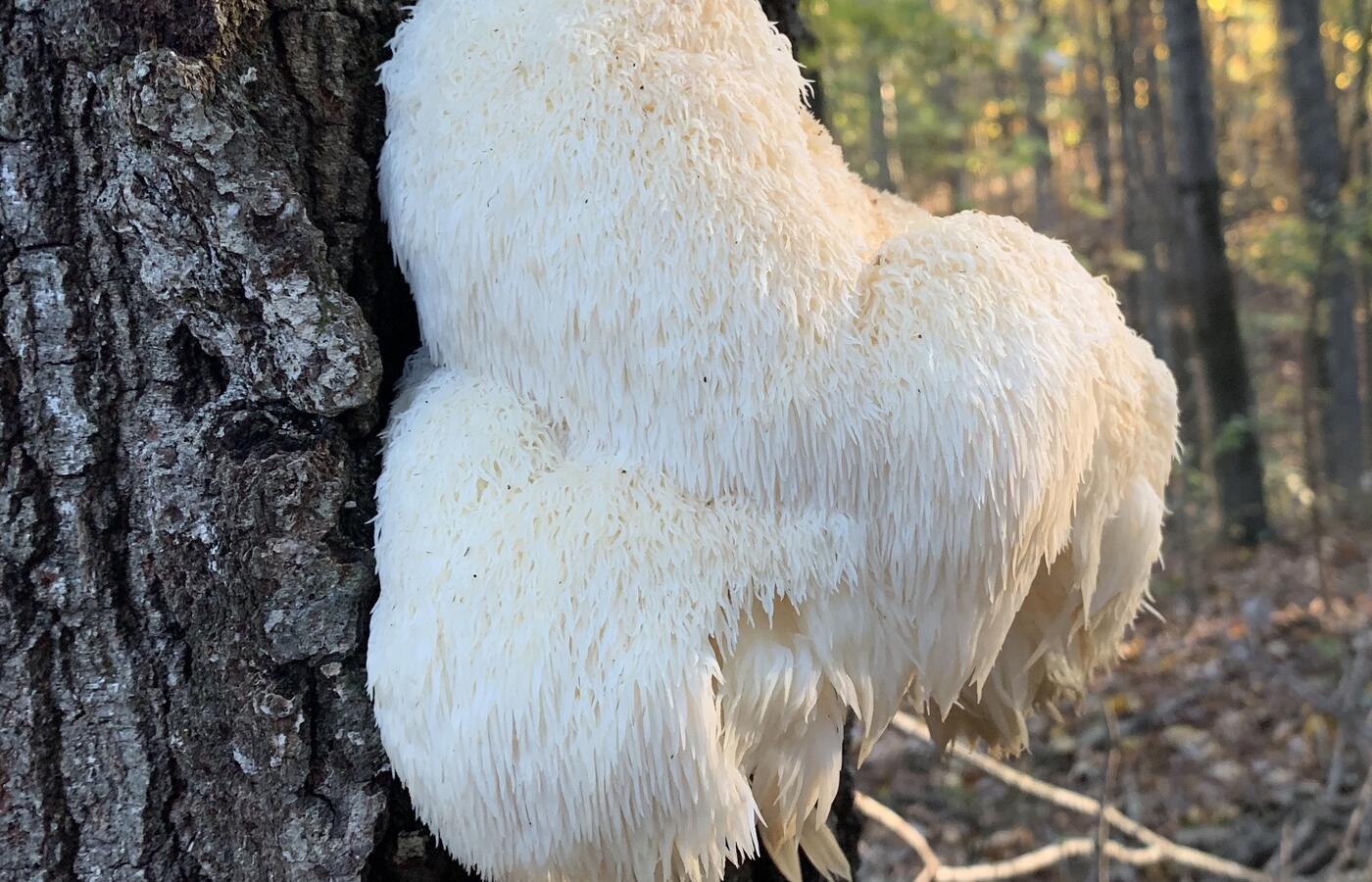
Mushroom supplements
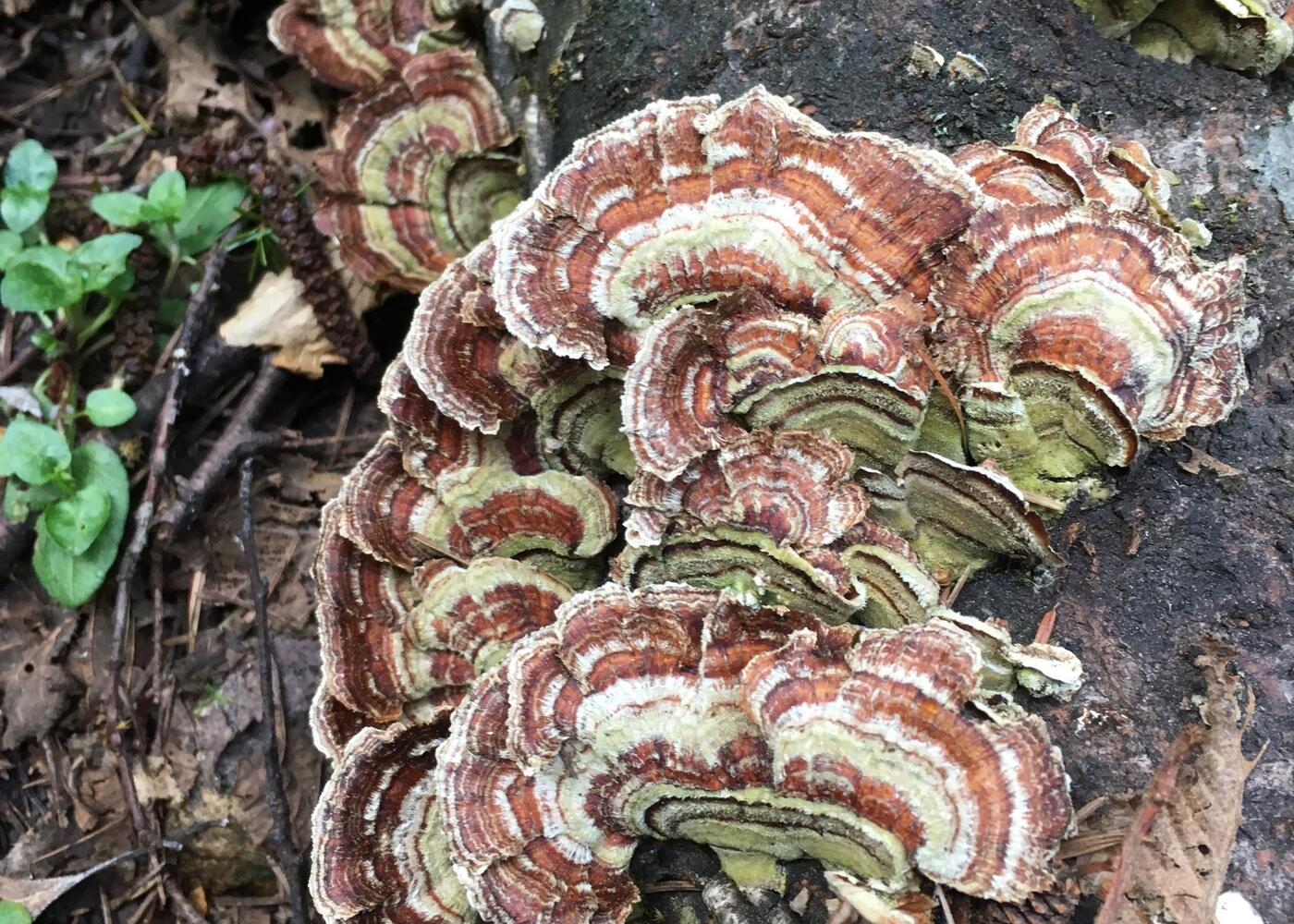
Lion's mane, reishi, cordyceps, chaga, turkey tail and maitake. Is it clean, is it real mushroom, and is the report solid?
Check a lab report →
Creatine
Powders, gummies and blends. Is it pure, has it broken down, and is anything left over from how it's made?
Check a lab report →
Magnesium
Glycinate, citrate and oxide. How much magnesium is really in it, and is it the form on the label?
Check a lab report →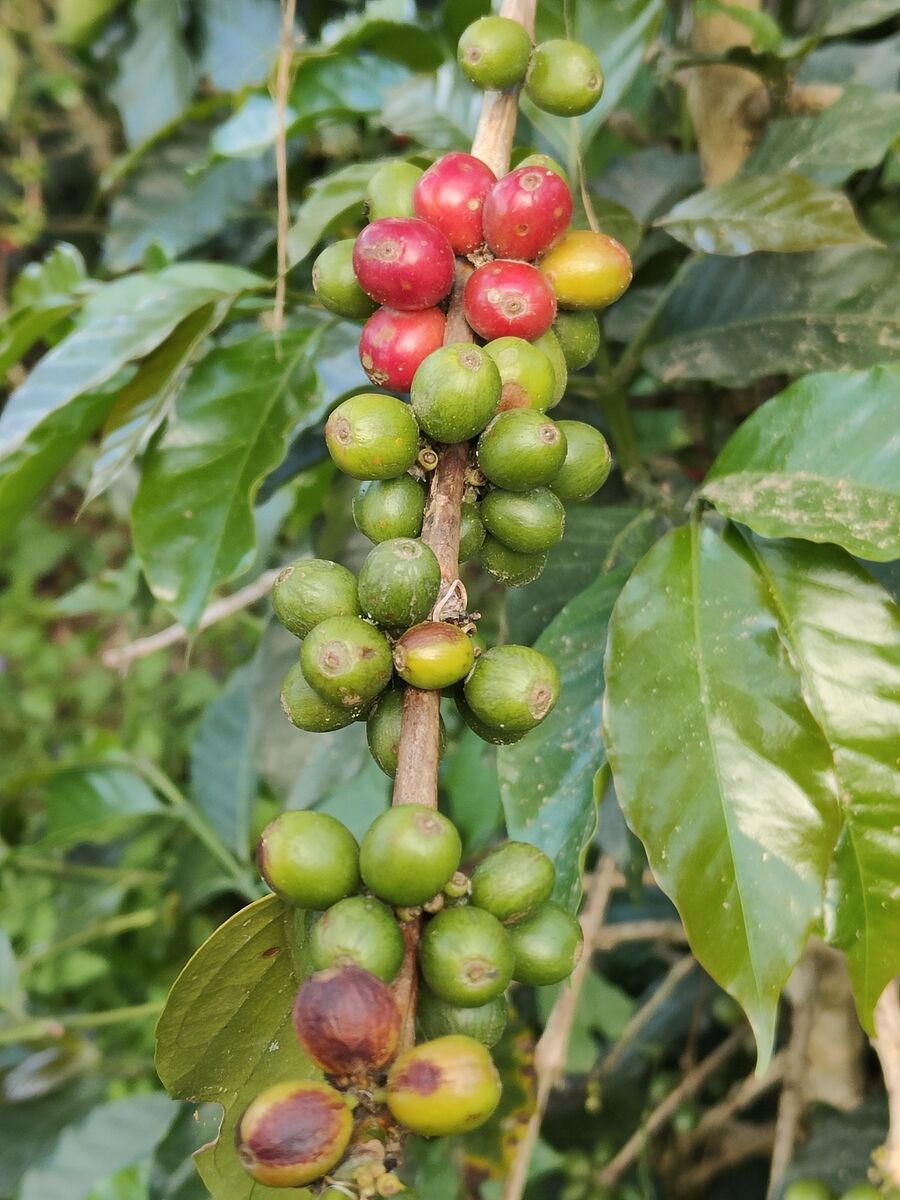
Mushroom coffee
Coffees, cocoas and lattes. Caffeine, mold toxins, and how much mushroom is really in a cup.
Check a lab report →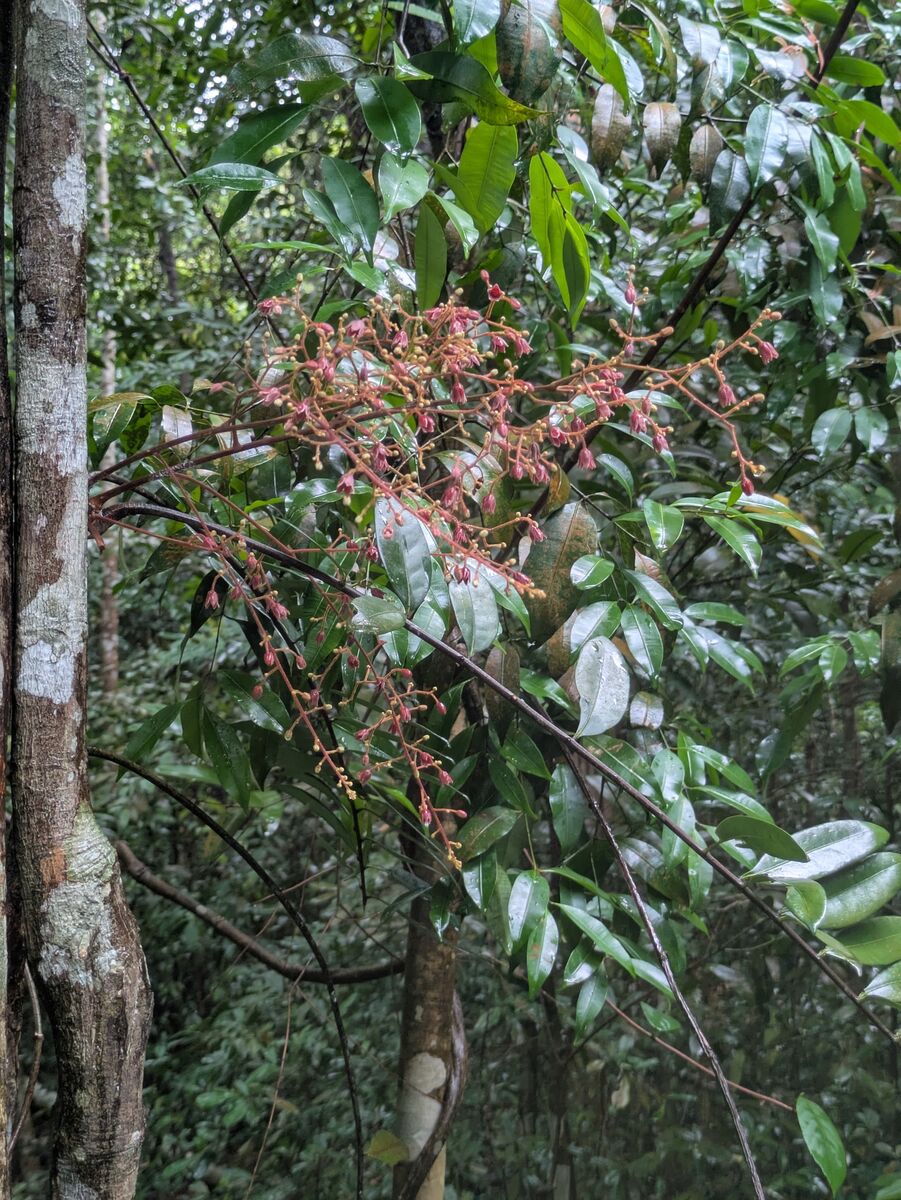
Men's vitality
Tongkat ali, tribulus, horny goat weed and blends. Hidden drugs, heavy metals, and whether the herbs are real.
Check a lab report →How it works
You don't need to know any chemistry. You need the lab report for your batch, and about a minute.
Find the lab report
Look for the batch number on your bottle or tub, then find the brand's "lab results" or "COA" page for that batch.
Drop it in
Pick what you take above and upload the PDF, a photo, or a link. Your browser opens the file, and we don't keep it.
Get a plain-English read
We answer the same questions for every brand: is it clean, is it what the label says, and does the report hold up. You also get a message you can send the brand.
So what's a COA?
The lab test behind each batch.
A certificate of analysis (COA) is the report a brand gets from a testing lab for each batch it makes. It lists what was measured, like heavy metals, germs, and how much of the main ingredient is really there. It's useful, but it's written for chemists. That's where we come in.
Lead, cadmium, arsenic and mercury worked out per daily dose, plus bacteria, mold, and anything that shouldn't be there.
Purity, strength and identity, measured the right way, and in the form the label promises.
A certified lab, your batch number, a recent date and a signature.
Who made this
Built by Happenstence, so you can check anyone. Us included.
Happenstence makes lab-tested supplements and teaches people how to read the lab reports behind them. We built COA.report because most people have never been shown how to read one.
- Every brand, Happenstence included, is read with the same public checklist.
- No ads, and nobody can pay to change a score.
- A guide to reading lab reports, not medical or safety advice.
Questions
Is COA.report free?
Yes. You give us an email so we can send your read, and that's it. There's nothing to buy.
Do you keep my lab report?
No. Your browser opens the file and sends us only its text, or a picture of the first pages for a scan. We don't store the report.
Which supplements can it read?
Mushroom supplements, creatine, magnesium, mushroom coffee, and men's herbal supplements like tongkat ali and tribulus. Each one has its own checklist.
Who makes COA.report?
Happenstence, which sells supplements. Every brand, including Happenstence, is read with the same public checklist, and nobody can pay to change a score.
Is this medical advice?
No. It's a guide to reading a lab report. A report describes one batch on one day. If something looks wrong, check the original and ask the brand or your doctor.
What if a brand doesn't publish a COA?
Email them and ask for the COA for your batch number. Good brands are happy to share it. If they won't, that tells you something too.