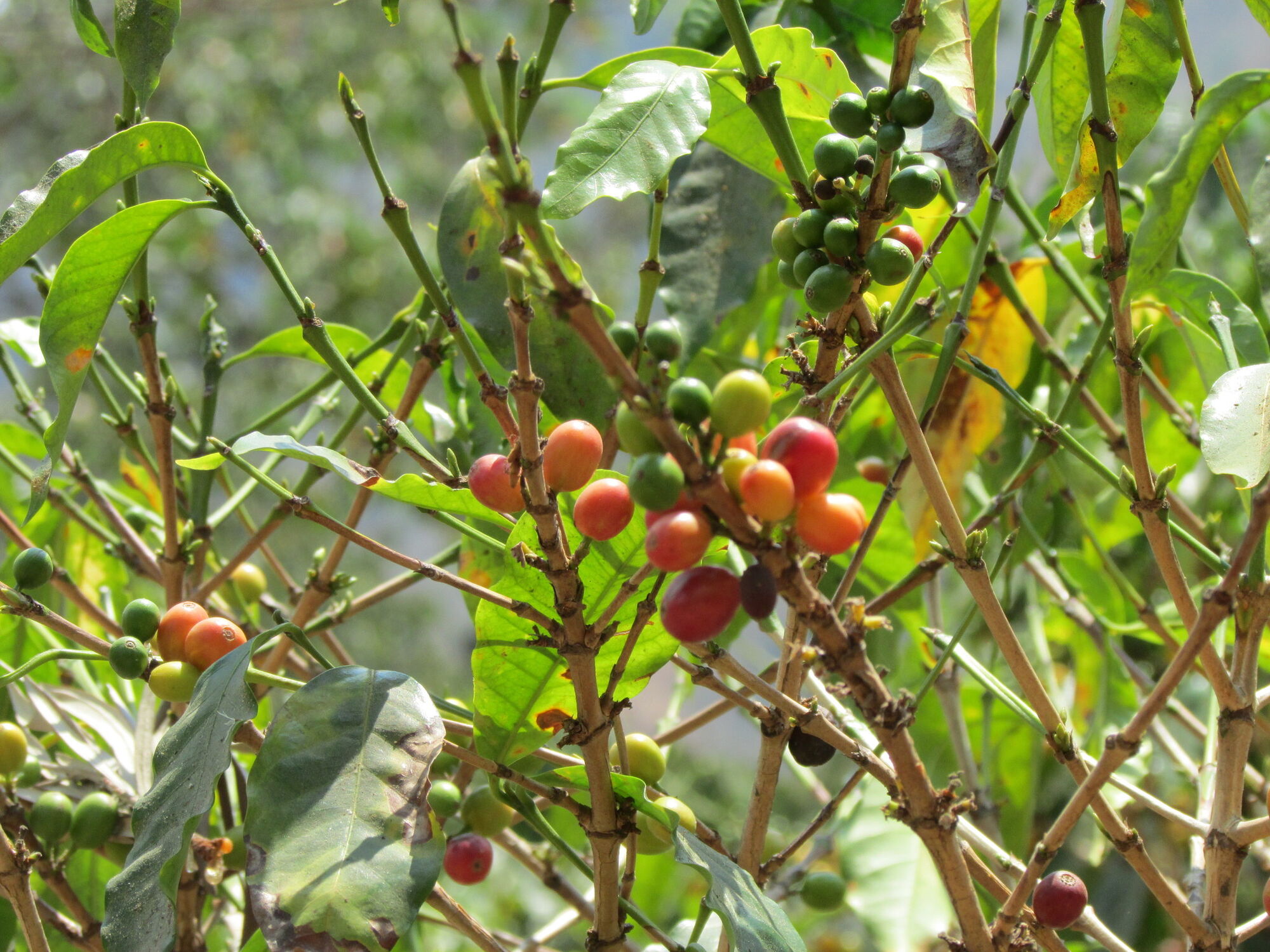
Ripening red and green coffee cherries on the branch
COA.report

For people who drink mushroom coffee, lattes and cocoa

What's really in your mushroom coffee?

Most brands publish a lab report for each batch, called a certificate of analysis (COA). It's full of jargon. Give it to us and we'll tell you what it says, in plain English.

Check a lab report

No report handy? See an example:

Example read

Report score / 100

How complete and convincing this lab report is. It's not a safety rating.

Tap any question to see why it matters and exactly what we read on the report.

COA.report is made by Happenstence, which sells mushroom supplements and drink blends. Every brand, including Happenstence, is read with the same checklist. We read reports automatically, and computers can misread a messy PDF. If something here doesn't match the original, trust the original and let us know. A lab report describes one batch on one day. This is a guide to reading it, not medical or safety advice.
Meet what's in your cup.

Mushroom coffee is a blend: coffee or cocoa, a few mushroom extracts, and often spices or milk powder. Each part brings its own things to check, so a good report covers all of them.

Where to find your lab report.

Not every brand makes it easy. If you can't find one, that tells you something too.

1

Look for the batch number

It's printed on the tin or pouch, usually near the expiry date. It might be called lot, batch, or LOT#.

2

Find the brand's lab results page

Check the product page, a QR code on the label, or the website footer. It's often called "lab results", "COA", or "third-party testing".

3

Bring it here

Download the PDF or copy its link and drop it in the box at the top. No luck finding it? Email the brand and ask for the COA for your batch number.

So what's a COA?

A certificate of analysis is the lab test a brand gets for each batch it makes. For mushroom coffee, it can list caffeine, mold toxins, how much of the mushrooms' natural compounds are in there, and whether there's any lead. Some brands share one report for the finished blend and others share one for each ingredient. Either works. It's useful, but written for chemists. That's where we come in.

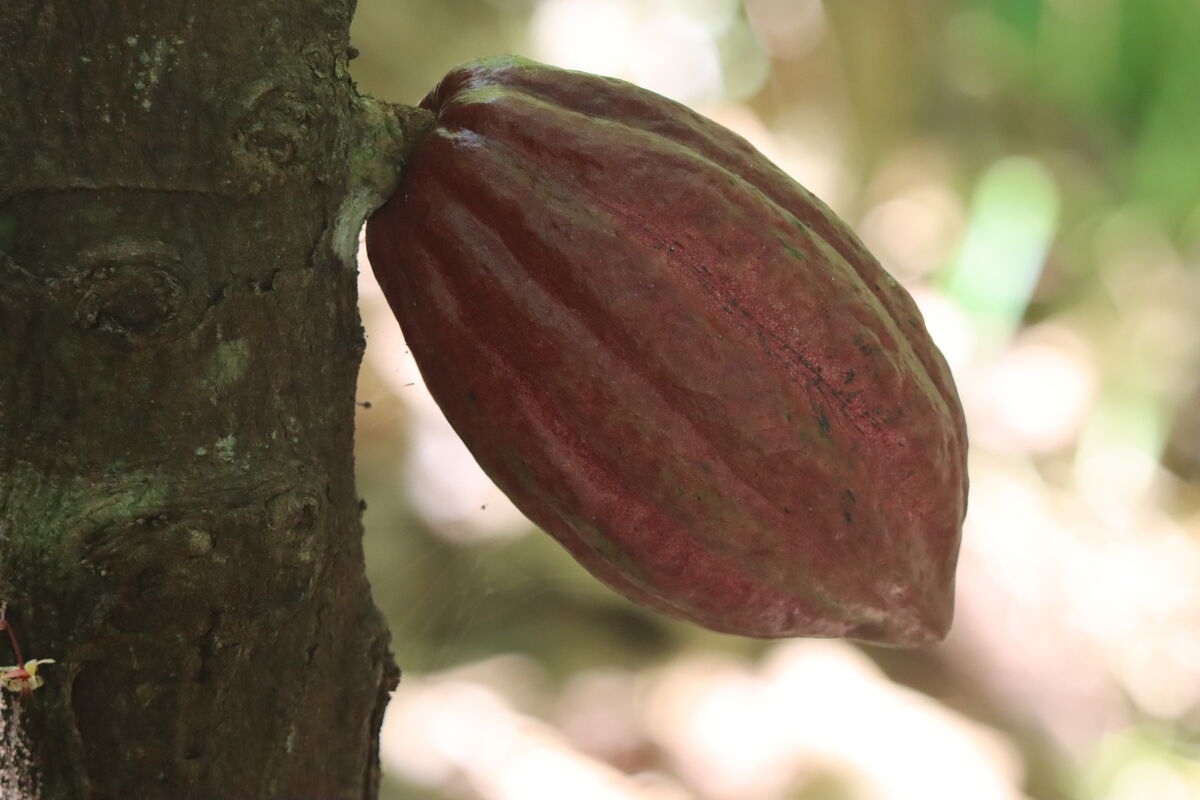
Red cacao pod growing from a cacao tree trunk

Who made this

Built by Happenstence, so you can check anyone. Us included.

Happenstence makes lab-tested supplements, including mushroom drink blends, and teaches people how to read the lab reports behind them. We built COA.report because most people have never been shown how to read one, and we think they should be able to judge any brand for themselves.

  • Same rules for everyone. Our own products are read with the same public checklist as every other brand.
  • No ads, no rankings for sale. Nobody can pay to change a score, including us.

Read any mushroom coffee report yourself.

Get the checklist we use. It's one page, in plain English, with the numbers to look for and what they mean.

  • The 14 questions we ask every mushroom coffee report
  • Good, okay and "ask the brand" ranges
  • How to turn a lab's numbers into what's in each cup

Free PDF. Your address goes on the COA.report list from Happenstence. We only email you if you tick the box.